
A balanced bite.
A confident next step.
Corrective jaw surgery helps realign the jaws when orthodontics alone cannot fully address your bite.
Jaw alignment
Bite function
Coordinated care
Bringing your jaws into better alignment.
Orthognathic surgery changes the position of the jawbones to improve how the teeth meet.
Your surgeon evaluates your bite and works with your orthodontist to determine whether surgery belongs in your treatment plan.
IS IT RIGHT FOR YOU?
When your bite needs more than orthodontics.
A consultation can help identify whether a jaw imbalance contributes to your concerns.
- Difficulty biting or chewing
- An open bite or uneven bite
- A receding or prominent jaw
- Differences in facial balance
IS IT RIGHT FOR YOU?
When your bite needs more than orthodontics.
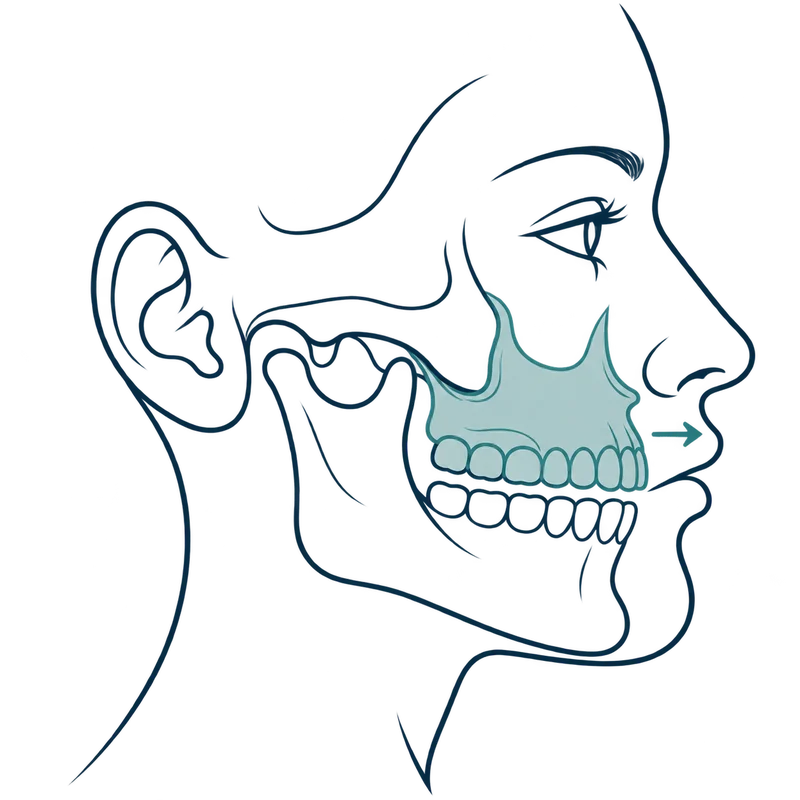
Upper jaw surgery
Repositions the upper jaw to improve its relationship with the lower jaw.
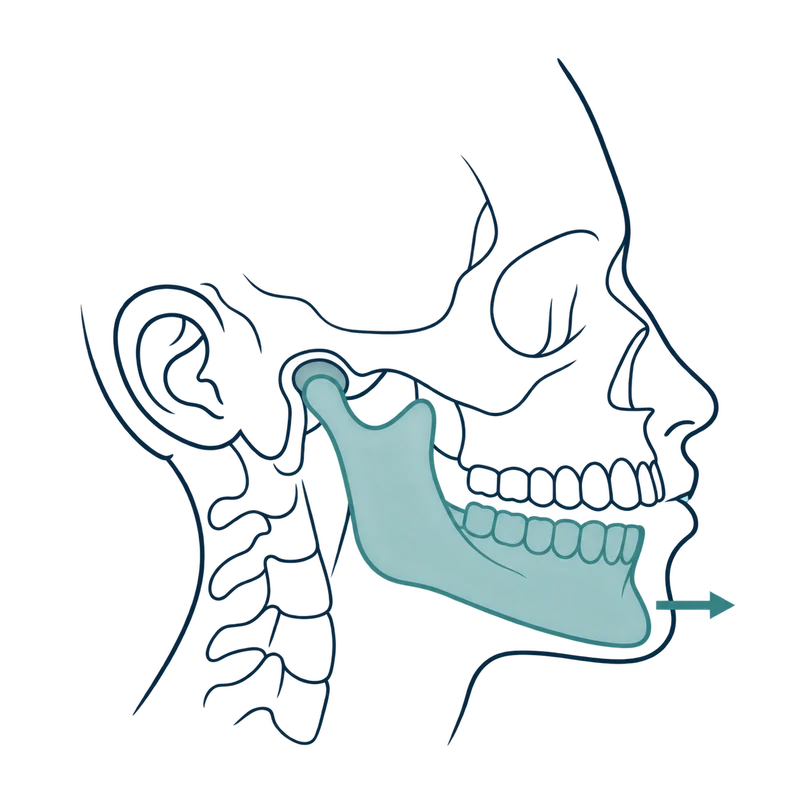
Lower jaw surgery
Adjusts the lower jaw position as part of a planned bite correction.
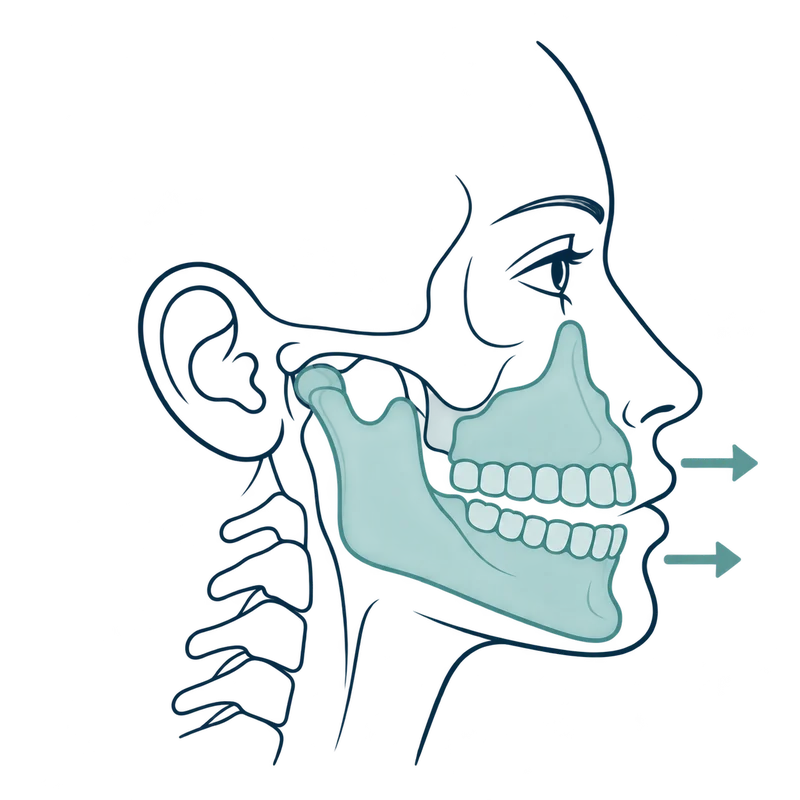
Double jaw surgery
Coordinates the position of both jaws when a combined approach is appropriate.
A COORDINATED PLAN
A connected plan, from consultation to recovery.
01
Evaluation
A consultation can help identify whether a jaw imbalance contributes to your concerns.
02
Orthodontic preparation
Prepare the teeth with your orthodontist as your plan requires.
03
Surgical treatment
Reposition the jaws according to your individual surgical plan.
04
Healing & refinement
Attend follow-up visits and complete any remaining orthodontic care.
KNOW WHAT TO EXPECT
Support for every step of recovery.
Your care team will explain how to prepare and what to expect as you heal.
Your timeline is individual
Follow your care instructions
Stay connected with your team
FREQUENTLY ASKED QUESTIONS